The Synchronization of Loyalty Incentives with Diverse Funding Channels in Finland's Emerging Mobile Gaming Platforms
Kirjoittanut Morgan Lehmann · 24.9.2026
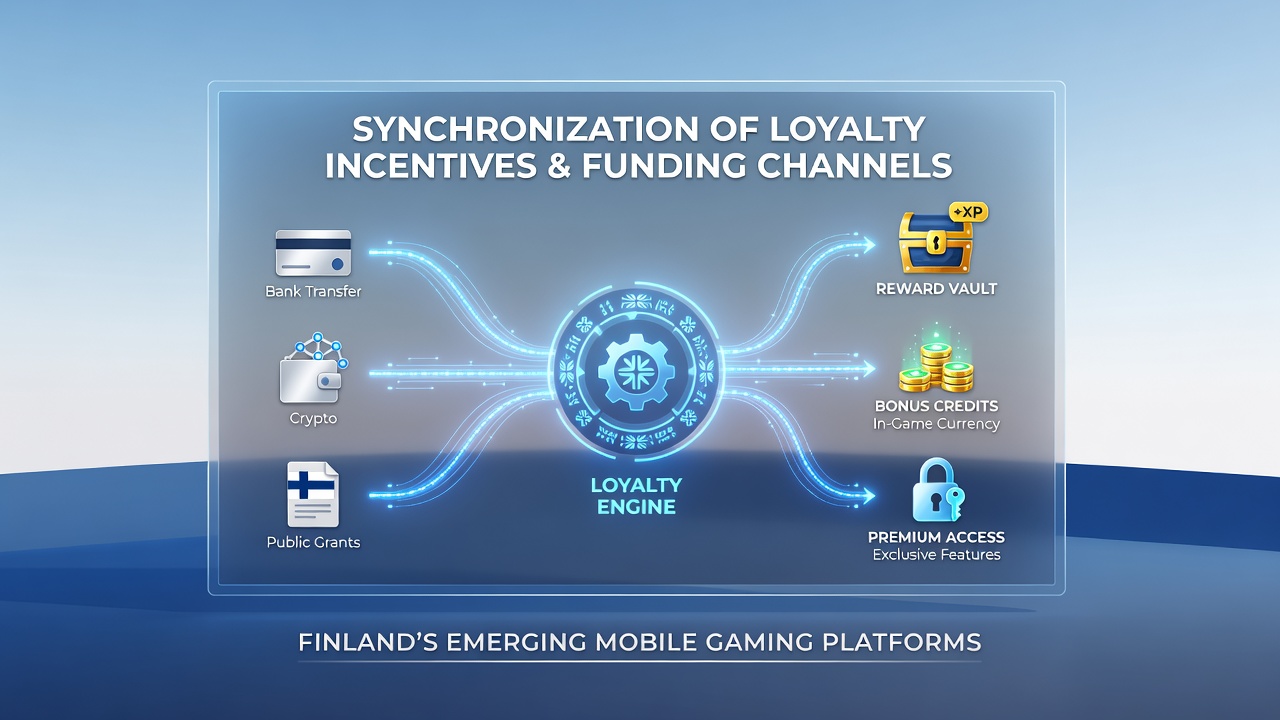
The Synchronization of Loyalty Incentives with Diverse Funding Channels in Finland's Emerging Mobile Gaming Platforms
Finland's mobile gaming sector has expanded rapidly in recent years as developers integrate loyalty programs directly with multiple payment systems. These platforms connect reward structures to funding sources that include bank transfers, digital wallets, and carrier billing, creating seamless user experiences across devices. Data from industry analyses show that synchronization occurs when systems automatically convert deposits from varied channels into loyalty points or tiered benefits without separate user actions.
Current Market Dynamics in Finnish Mobile Gaming
Observers note that Finnish developers have adopted unified APIs that link transaction records to loyalty databases in real time. When a player funds an account through a mobile operator's billing service or an international e-wallet, the platform records the action and applies corresponding incentives such as bonus credits or progression multipliers. This process relies on standardized data protocols that comply with EU payment regulations, and reports indicate steady growth in such integrations through 2025 and into September 2026.
Payment Channel Diversity and Loyalty Mapping
Multiple funding options operate within the same application environment. Bank account linkages via instant transfer services feed directly into loyalty tracking modules, while cryptocurrency gateways and prepaid vouchers receive equal mapping to reward ledgers. Research from European digital economy studies reveals that platforms handling at least four distinct payment types achieve higher retention rates because users encounter fewer barriers when switching methods. The synchronization ensures that each deposit type triggers identical point accrual formulas, eliminating discrepancies that once required manual reconciliation.
Developers achieve this consistency through backend rules engines that normalize transaction metadata. A deposit completed via Apple Pay or Google Pay registers the same loyalty value as one processed through a local Finnish bank app, provided the amount and frequency match predefined thresholds. Industry organizations tracking Nordic tech adoption have documented these standardization practices across dozens of emerging titles released since 2024.
Technical Integration Approaches
Platform architects employ middleware layers that translate payment confirmations into loyalty events. These layers pull data from payment processors and push structured records to customer relationship management systems. One documented case involves a Helsinki-based studio that connected its in-game economy to both local payment rails and global processors, resulting in unified loyalty histories visible across all funding sources. Figures from academic reviews of mobile application architectures confirm that such middleware reduces processing latency to under two seconds per transaction.
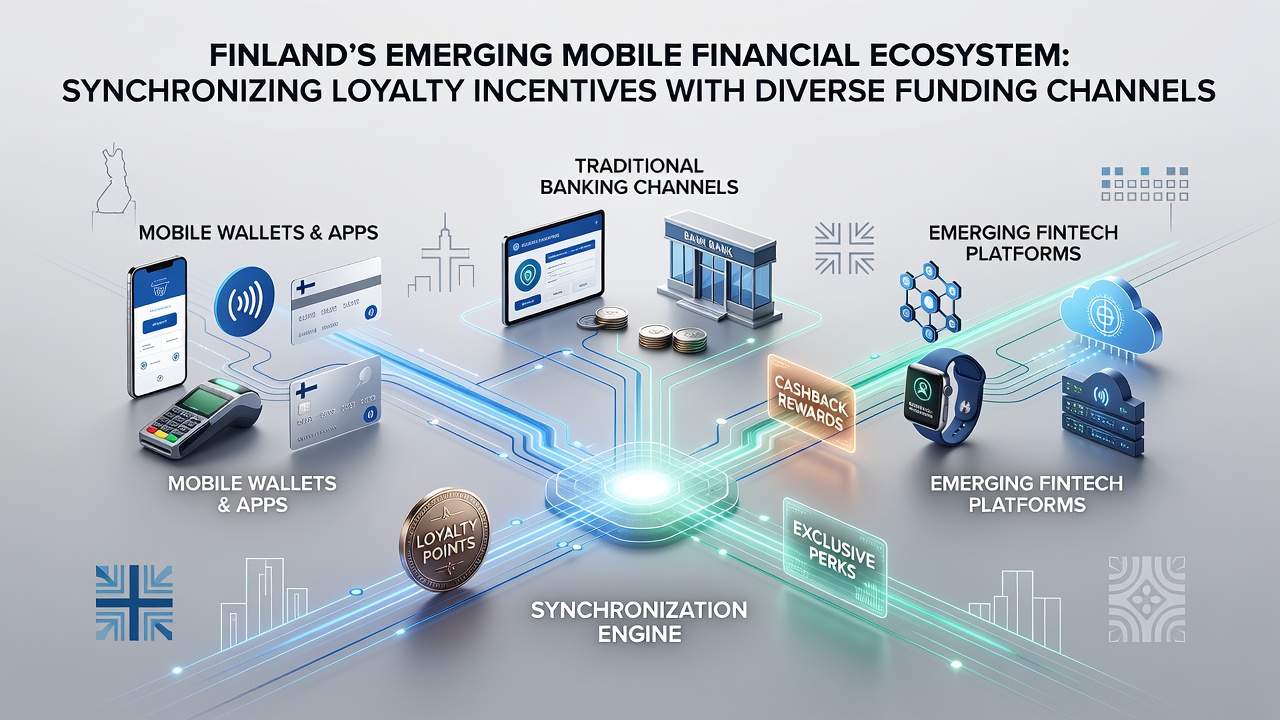
Security protocols accompany these integrations. Tokenization of payment details prevents exposure of sensitive information while still allowing loyalty engines to verify transaction legitimacy. Finnish regulatory frameworks require encryption standards that align with broader European directives, and compliance reports show widespread adoption among mobile gaming studios operating in the region.
Regulatory Context and Data Standards
Finland maintains oversight through national digital services legislation that intersects with EU-wide rules on electronic payments and consumer data. Platforms must ensure that loyalty calculations remain transparent regardless of the funding channel selected. According to information published by the European Commission, harmonized data formats facilitate cross-border operations while preserving local compliance requirements. Separate analyses from Australian government digital economy reports highlight similar patterns in other jurisdictions, where synchronized systems support both regulatory reporting and user analytics.
Those who study transaction logs observe that audit trails now capture every loyalty adjustment tied to a specific payment event. This traceability supports dispute resolution and helps platforms demonstrate adherence to fairness guidelines. Data released by Nordic technology research groups indicates that synchronized environments generate fewer user complaints related to unrewarded deposits compared with fragmented legacy setups.
Examples from Platform Implementations
Several Finnish studios have released titles in which loyalty tiers unlock automatically once cumulative funding from any accepted channel reaches set milestones. A puzzle game launched in early 2025 mapped deposits from carrier billing, card payments, and bank transfers to a single progress bar visible in the user profile. Players advancing through these tiers receive in-game currency or cosmetic items without needing to select a preferred funding method in advance.
Another implementation uses event-driven architecture to trigger loyalty bonuses immediately after payment confirmation. The system distinguishes between first-time deposits and recurring activity, applying differentiated multipliers while maintaining a common interface for all channels. Industry presentations at European gaming conferences have showcased these architectures as models for scalable mobile operations.
Conclusion
Finland's emerging mobile gaming platforms demonstrate practical methods for aligning loyalty incentives with varied funding channels through standardized technical and regulatory practices. Integration occurs via middleware, normalized data protocols, and compliance with EU and national requirements. As of September 2026, continued expansion of these synchronized systems supports consistent user experiences across diverse payment options while meeting transparency standards outlined in official reports from bodies such as the European Commission.