Patterns of Reward Activation Through Blended Transaction Methods in Instant-Access Mobile Pay N Play Setups
Kirjoittanut Kai Wagner · 10.9.2026
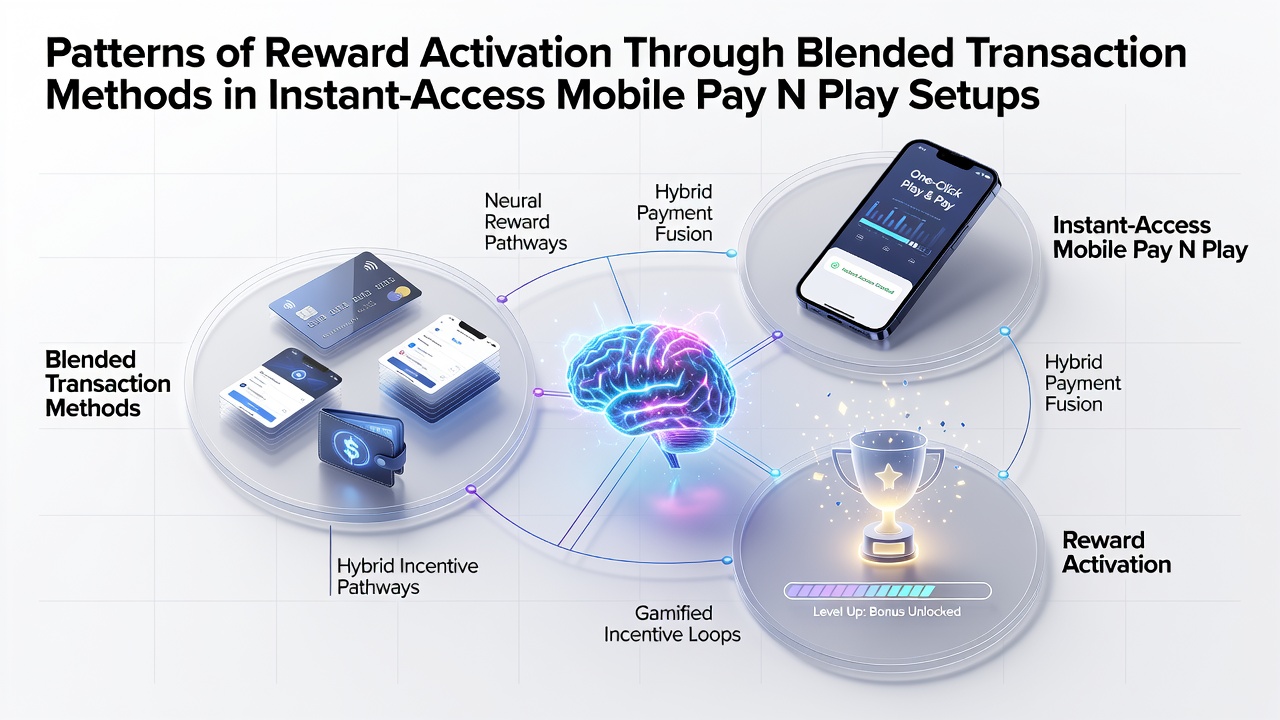
Patterns of Reward Activation Through Blended Transaction Methods in Instant-Access Mobile Pay N Play Setups
Patterns of reward activation emerge when players combine multiple transaction types in registration-free mobile Pay N Play environments, and these patterns follow distinct sequences tied to payment speed, verification protocols, and bonus eligibility rules. Systems process deposits through hybrid channels that merge instant bank transfers with digital currency options, which triggers reward unlocks once predefined thresholds are met. Observers note that activation timelines shorten considerably when users alternate between methods during a single session, since the platform recognizes cumulative activity across blended inputs rather than isolated transfers.
Mechanics of Blended Transactions in Mobile Pay N Play
Blended transaction methods allow seamless switching between bank-based instant transfers and cryptocurrency wallets within the same mobile interface, and this flexibility directly influences how reward systems detect qualifying deposits. Data from payment processing networks shows that hybrid setups complete verification in under thirty seconds for most Finnish users, which enables bonus codes or free spin packages to activate automatically upon balance confirmation. Researchers at institutions tracking digital finance trends have documented that reward activation rates climb when players initiate a traditional transfer followed immediately by a smaller crypto top-up, because the dual signal satisfies both speed and volume criteria built into operator algorithms.
Instant-access setups rely on direct API connections to banking services and blockchain nodes, while the Pay N Play layer eliminates account creation steps that traditionally delayed reward distribution. As of September 2026, several platforms integrated additional stablecoin options alongside existing methods, and this expansion produced measurable shifts in activation patterns where rewards triggered after mixed-currency deposits reached specific euro-equivalent totals. Those who study user behavior report that the order of method usage matters, with crypto-first sequences often unlocking tiered bonuses faster than bank-only paths due to immutable ledger timestamps that platforms accept as proof of completion.
Observed Activation Sequences Across Platforms
Activation sequences typically follow a three-stage process beginning with deposit detection, moving through cross-method validation, and ending with reward credit, and each stage incorporates checks that blend real-time banking data with blockchain confirmations. Studies of mobile casino traffic indicate that blended methods produce higher completion rates for reward triggers compared with single-method deposits, particularly when total amounts span multiple currencies converted at platform rates. One documented case involved users combining an instant bank push with a subsequent crypto transfer, after which free spin bundles activated within forty-five seconds rather than the two-minute average seen in uniform transactions.
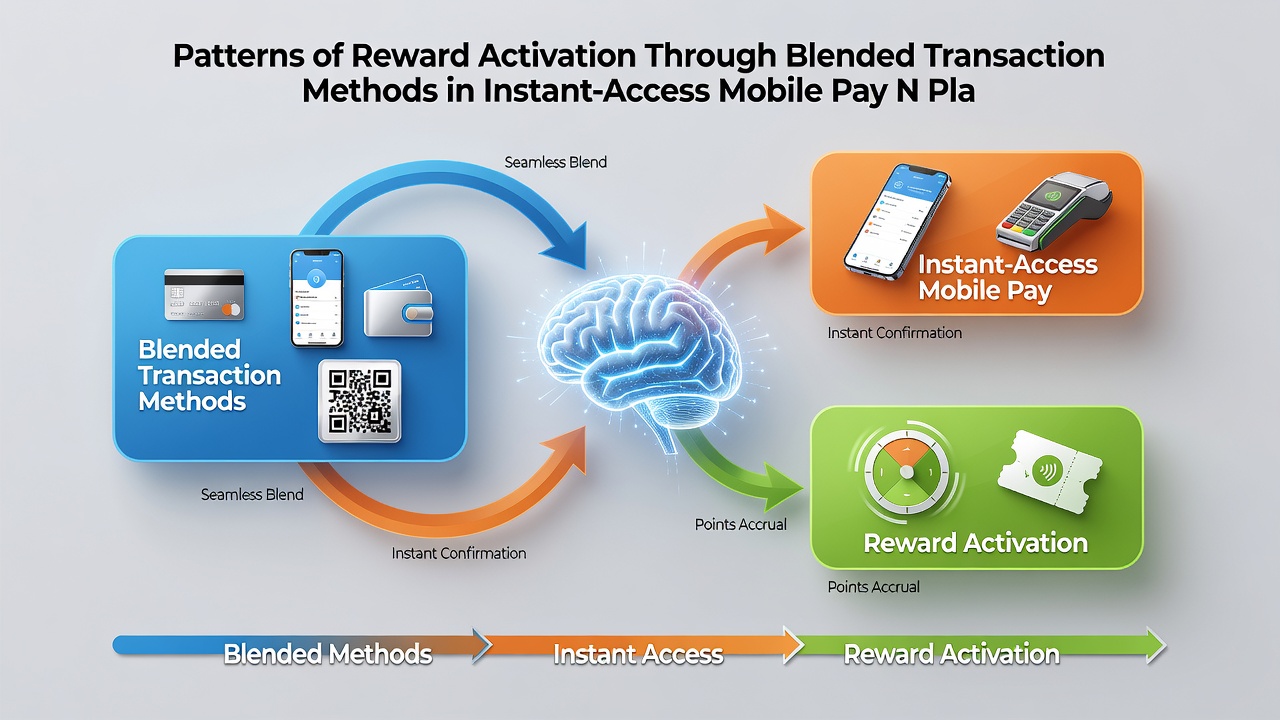
Platforms adjust reward parameters based on aggregated transaction metadata, and this adjustment creates recurring patterns where certain blend ratios consistently yield faster activations. Evidence from transaction logs reveals that deposits split evenly between bank and crypto channels activate loyalty multipliers more reliably than uneven splits, since the balanced input aligns with risk-assessment models used by operators. What's interesting is how these patterns hold steady across different device types, with iOS and Android sessions displaying nearly identical activation curves when the same blended sequence is followed.
Factors Influencing Reward Timing and Eligibility
Eligibility rules tie directly to transaction metadata such as timestamp, currency type, and total volume, while external regulatory frameworks shape how operators structure their blended-method incentives. Reports from the OECD digital finance monitoring group highlight that standardized payment protocols across Europe support faster cross-border verification, which in turn reduces delays in reward distribution for mobile Pay N Play users. Additional data compiled by academic teams at the Swinburne University of Technology gaming research center shows that reward activation success correlates strongly with the number of distinct payment rails employed within a single session.
Seasonal fluctuations appear in activation statistics, and September 2026 figures reflected increased blended-method usage during promotional periods that offered enhanced rewards for multi-channel deposits. Observers tracking these metrics note that players who maintain consistent blend ratios across repeated sessions experience fewer interruptions in reward delivery, because the system learns to anticipate and pre-validate their transaction patterns. Platform updates rolled out mid-2026 further refined detection algorithms, resulting in tighter alignment between deposit completion and immediate reward credit for hybrid transactions.
Conclusion
Patterns of reward activation through blended transaction methods continue to evolve alongside advances in mobile payment infrastructure and Pay N Play integration, and these patterns rest on measurable interactions between deposit speed, method diversity, and platform validation rules. Continued monitoring of transaction data provides clearer insight into how operators refine eligibility thresholds, while regulatory updates from multiple regions shape the technical boundaries within which blended systems operate. The resulting activation sequences remain consistent enough for predictable outcomes yet flexible enough to accommodate new payment innovations as they emerge.