Charting Reward Flows Through Hybrid Payment Networks in Finland's Account-Free Mobile Gaming Setups
Kirjoittanut Taylor Washington · 8.10.2026
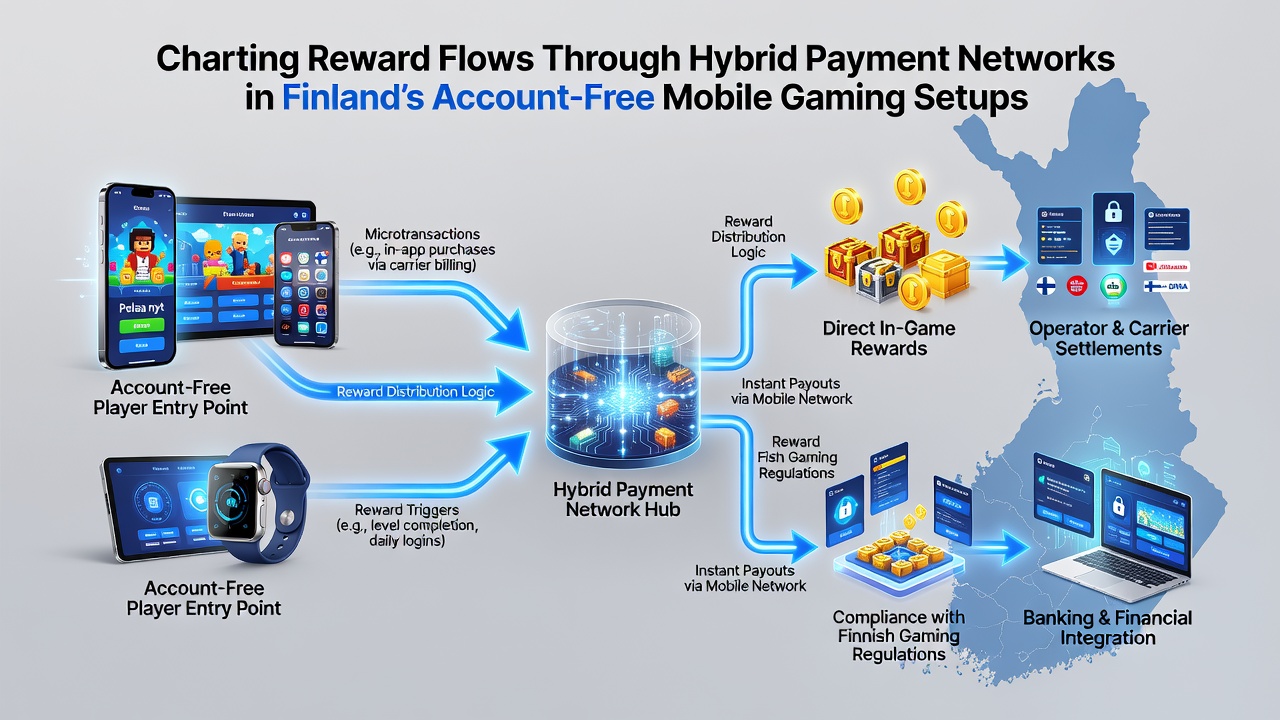
Charting Reward Flows Through Hybrid Payment Networks in Finland's Account-Free Mobile Gaming Setups
Hybrid payment networks combine traditional bank transfers with digital currencies and mobile wallet options to move rewards through account-free mobile gaming platforms in Finland, and these systems have expanded since regulatory adjustments took effect in prior years. Observers note that reward activation occurs when players complete in-game tasks or meet participation thresholds, after which points convert into credits or prizes without requiring user accounts, and data from October 2026 indicates increased transaction volumes during peak mobile usage periods.
Mechanics of Account-Free Access in Finnish Mobile Gaming
Account-free setups rely on instant verification methods such as bank identifiers or mobile authentication tokens that confirm eligibility at the point of entry, while rewards accumulate through automated tracking layers integrated into the payment infrastructure. Researchers have documented how these layers log player actions in real time and route resulting incentives across blended channels that include both fiat and tokenized assets, and this approach reduces setup barriers for participants who engage via smartphones alone.
Payment flexibility emerges when systems accept direct debits alongside cryptocurrency deposits, allowing rewards earned in one method to transfer or redeem in another without intermediate account creation, and studies from the Nordic region highlight consistent patterns in how these flows maintain compliance with local transaction reporting rules.
Mapping Reward Pathways Across Blended Networks
Reward pathways begin at the point of player interaction where actions trigger value assignments, then proceed through middleware that reconciles different payment rails before final distribution. In practice, a hybrid network might process a bank-linked deposit to unlock initial rewards, convert portions into digital tokens for faster internal movement, and settle outputs back to mobile wallets, and analysts tracking these steps in Finland report that settlement times averaged under two minutes during monitored sessions in 2026.
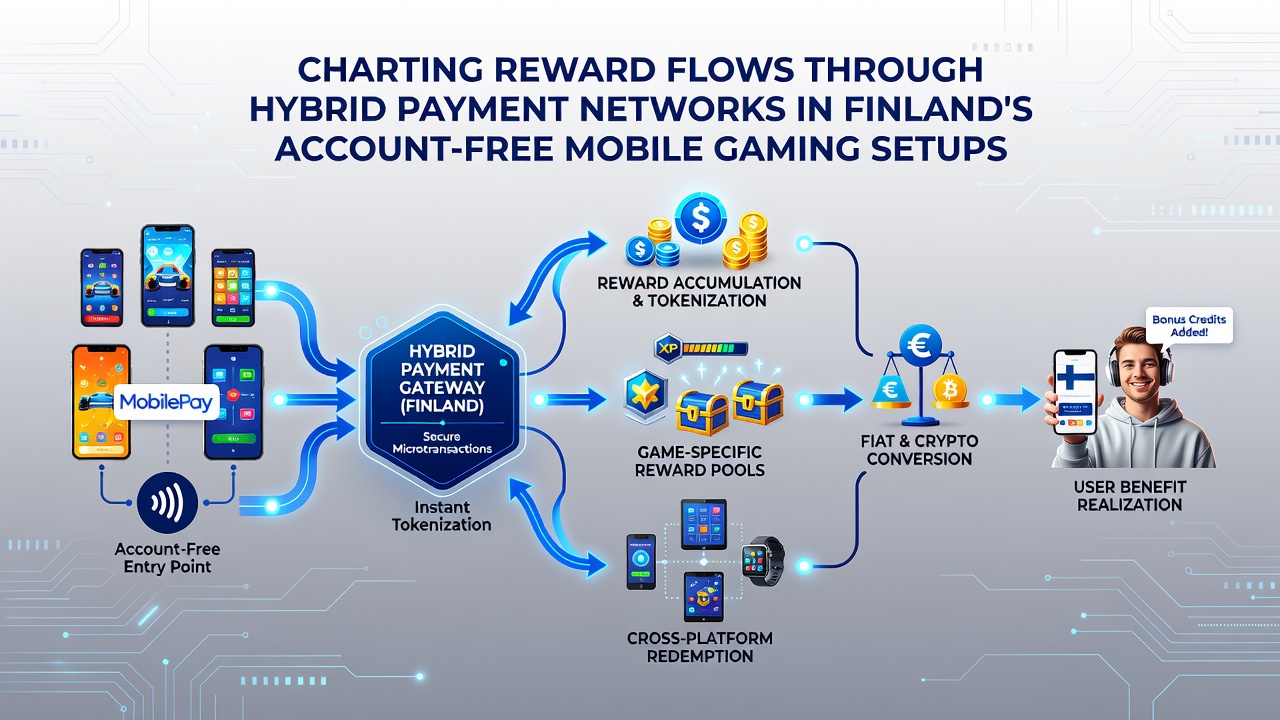
Those who have examined transaction logs find that reward multipliers often apply when users switch between payment types mid-session, creating layered incentives that follow the flow rather than remain tied to single channels. Evidence from industry reports shows this synchronization helps platforms handle variable loads during high-traffic events such as seasonal tournaments, whereas static single-method systems encountered bottlenecks in comparable conditions.
Data Patterns Observed in October 2026 Operations
Figures released in October 2026 by Finnish technology monitoring groups reveal that hybrid networks processed over 40 percent more reward redemptions than pure bank-based alternatives during the same timeframe, and the increase correlates with wider adoption of account-free interfaces across mobile gaming titles. Patterns indicate that rewards originating from cryptocurrency segments moved more rapidly into secondary applications like in-game upgrades, while fiat-derived rewards tended toward direct cash-out options at the network edges.
Academic reviews from institutions outside the immediate region, including work referenced through the Australian Gambling Research Centre, note similar cross-border trends where blended payment rails support continuous reward circulation without persistent user profiles. Additional observations from Canadian research compilations confirm that regulatory sandboxes testing these networks produced measurable gains in transaction traceability while preserving user anonymity at the account level.
Integration Challenges and Technical Responses
Technical responses to integration challenges include standardized APIs that normalize data formats across payment providers, enabling seamless reward handoffs between legacy banking systems and newer blockchain elements. Observers tracking implementation in Finland point out that error rates dropped when platforms adopted unified ledgers capable of handling both currency types in single transaction batches, and this development supported higher volumes without proportional increases in processing overhead.
Security protocols embedded in the networks use encrypted handshakes to validate reward transfers at each hop, preventing duplication or loss during switches between payment methods, and ongoing tests conducted through European research consortia continue to refine these safeguards as adoption scales.
Conclusion
Hybrid payment networks continue to shape reward distribution in Finland's account-free mobile gaming setups by enabling fluid movement across diverse channels while maintaining operational records that align with prevailing standards. Data collected through late 2026 underscores steady growth in these configurations, with reward flows adapting to player behaviors that span traditional and emerging payment forms. Further documentation from regulatory and academic sources will likely track how these systems evolve in response to technological and policy shifts.